Program Overview
Build capability that moves between classroom, lab, field, and system.
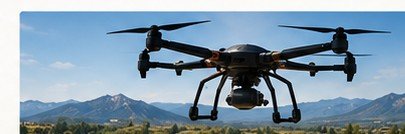
A field-oriented systems degree focused on operating, integrating, and applying unmanned and remote-sensing technologies across real environments.
Program requirements
Complete the published bachelor’s credit requirement, required technical study, integrated general education, applied laboratory or field work, and the culminating program requirements defined in the approved catalog.
Learning outcomes
- Plan safe unmanned field operations.
- Integrate sensors and data workflows.
- Apply mapping and remote-sensing methods.
- Evaluate autonomy, communications, and mission constraints.
Representative curriculum
Representative curriculum is a planning view; the approved catalog controls final requirements and sequencing.
Admissions requirements
Apply through the shared Stella Nova application track and submit the academic records and supporting materials required by the approved undergraduate admissions process. Any program-specific prerequisites will publish here before they are used in an admission decision.
Career pathways
Industry & applied context
Program work emphasizes responsible field deployment of unmanned platforms, sensing, mapping, communications, autonomy, and evidence-producing data workflows.
Faculty & practitioners
Approved faculty and practitioner profiles will appear here when program associations are published. View the Polytechnic people directory.
Program FAQs
How do I apply?
Polytechnic routes applicants through the shared Stella Nova application track while preserving the selected Polytechnic program context.
Can prior learning be reviewed?
Yes. Prior coursework, certifications, and documented technical learning can enter the separate evidence-based transfer-credit workflow.
Where are tuition figures?
Program cost structures are built into the platform, but numeric tuition and aid information publishes only after institutional approval.